Showing posts with label tidal power. Show all posts

Scottish mainland gets electricity from tidal power for first time  

Posted by Big Gav in , , ,

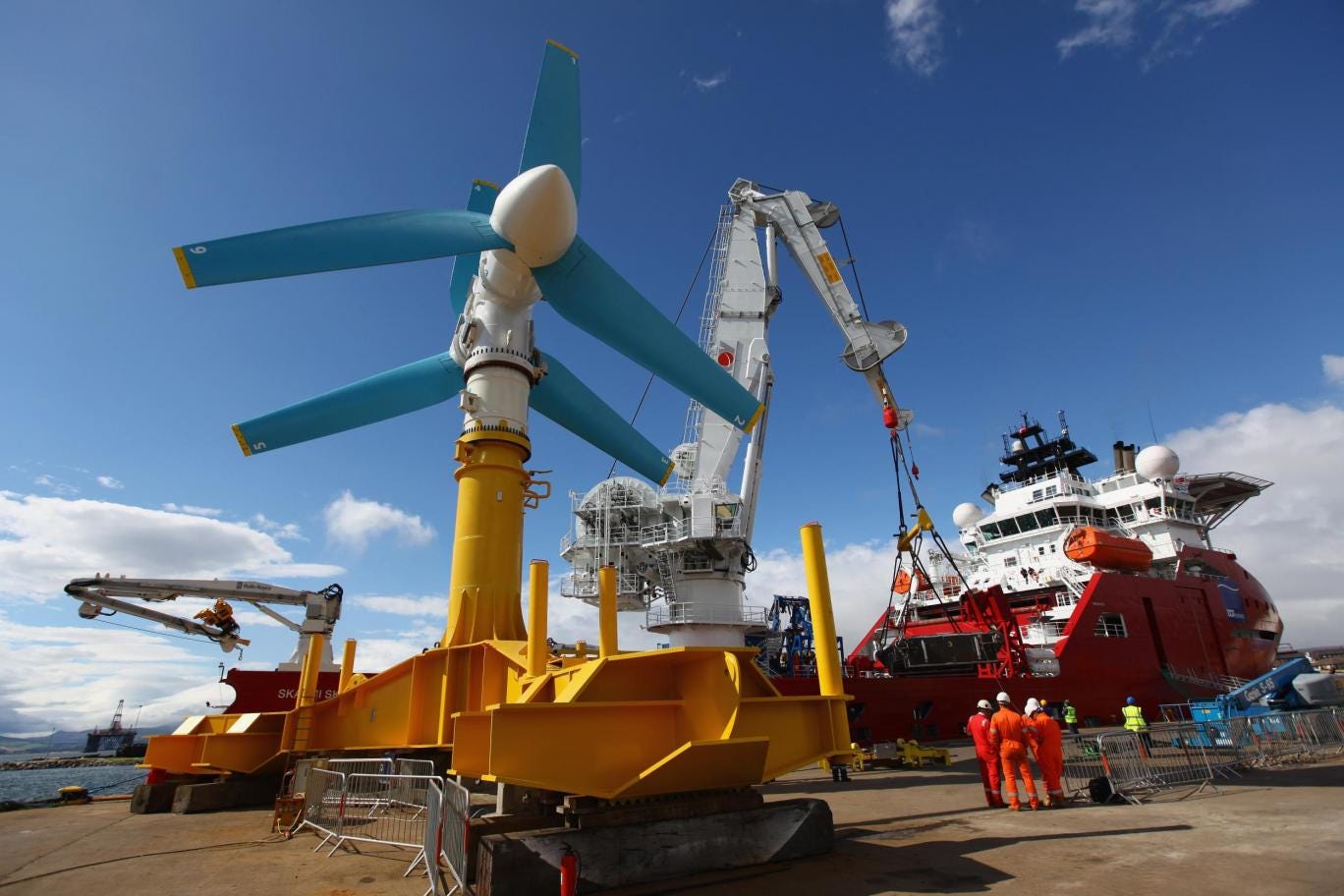
The Independent has an update on Atlantis' 400MW Maygen tidal power project in Scotland - Scottish mainland gets electricity from tidal power for first time.

Scotland's mainland has received electricity from tidal power for the first time ever. A 1.5MW tidal stream turbine off the Caithness coast started operating last week, sending power back to the shore. Atlantis, the company behind project MayGen, hopes to eventually deploy up to 269 turbines, which will generate around 400MW of electricity.

Scottish Tidal Power Technology Escapes To China  

Posted by Big Gav in , , ,

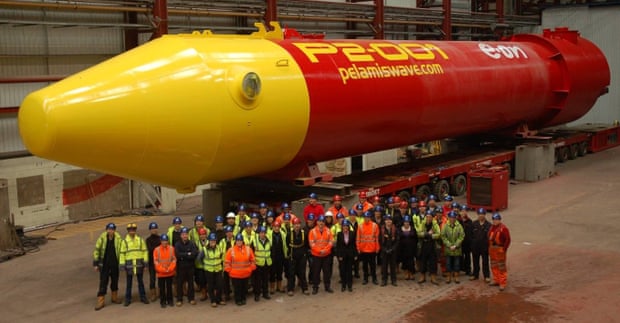
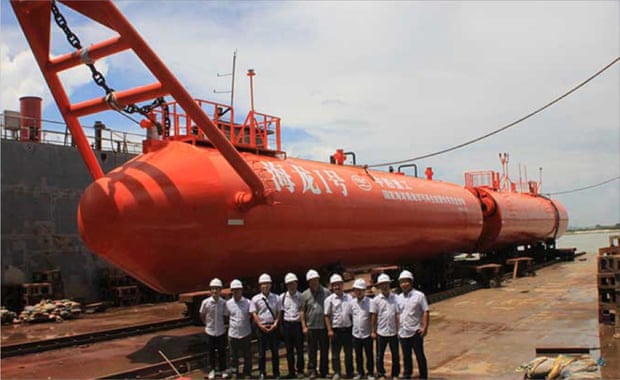
The Guardian has an article on no-defunct Scottish tidal power company Pelamis - Mysterious factory break-in raises suspicions about Chinese visit.

It was an unusual burglary, in which four or five laptops were stolen from a Scottish renewable energy manufacturer in the dead of a March night in 2011. So innovative was the company that it had been been visited by a 60-strong delegation led by China’s then vice-premier only two months before.

Nothing else was taken from the company and the crime, while irritating, went unsolved and forgotten – until a few years later pictures began emerging that showed a remarkably similar project manufactured in the world’s most populous country.

World first for Shetlands in tidal power breakthrough  

Posted by Big Gav in , , ,

The Guardian has a report on the first fully operational array of tidal power turbines in Scotland's Bluemull Sound - World first for Shetlands in tidal power breakthrough

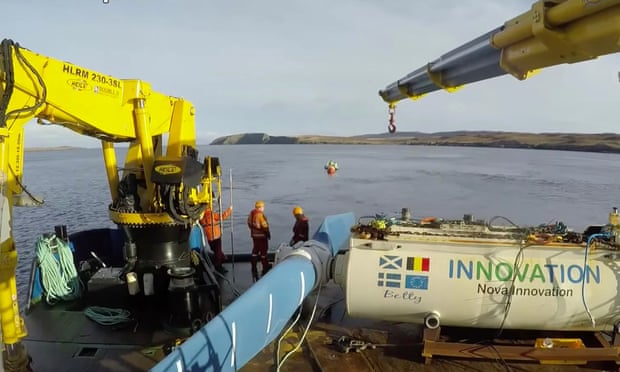
Nova Innovation said it had deployed the world’s first fully operational array of tidal power turbines in the Bluemull Sound between the islands of Unst and Yell in the north of Shetland, where the North Sea meets the Atlantic. It switched on the second of five 100kW turbines due to be installed in the sound this month, sending electricity on a commercial basis into Shetland’s local grid.

Existing tidal schemes use single power plants or installations rather than a chain of separate turbines. A French company, OpenHydro, says it too is very close to linking two tidal machines, off Brittany, to build a more powerful 1MW array.

Shetland Tidal Array exports power to grid for first time  

Posted by Big Gav in , , , ,

The Shetland Tidal Array, one of the world’s first tidal arrays has commenced power generation.

The tidal power plant consists of three 100 kW turbines, with more planned in following phases.

2MW Tidal Power Project For Bay Of Fundy  

Posted by Big Gav in , , , ,

The Chronicle Herald has an article on a small-ish tidal power project in Nova Scotia - Fundy Tidal, Ontario firm join for energy project.

A Digby County tidal energy developer is teaming up with an Ontario company to make a 1.95-megawatt tidal project — and possibly more tidal projects — a reality. ... The company’s other COMFIT approvals include 500 kilowatt projects in Grand Passage, between Brier Island and Long Island, and in Petit Passage, between Long Island and Digby Neck. They have two more in Cape Breton, a 500 kilowatt project in Great Bras d’Or Channel and one for 100 kilowatts in Barra Strait.

Canada's CBC also has an article on tidal power testing programs in the Bay of Fundy - Bay of Fundy FORCE study looking at tidal power turbine potential.

Understanding the environmental conditions and strength of the current in the Bay of Fundy is important for four consortia — European companies partnered with local Nova Scotia companies — who have committed to spend $9 million on four berths to test their turbines at the demonstration site.

In 2009, OpenHydro of France tried unsuccessfully to deploy a 10-tonne turbine in the Bay of Fundy, but the ultra-strong tidal flows destroyed the machinery within three weeks. Current speeds have been clocked between 10 and 12 knots.

Instead of waiting months for collected data to be retrieved and processed, the new testing platform is connected to an onshore computer at FORCE in Parrsboro via a three-kilometre-long fibre-optic cable that transmits data in real-time.

How Badly Is the Wave and Tidal Industry Struggling? Likely Worse Than You Thought  

Posted by Big Gav in , , ,

GTM has a look at the woeful performance of the ocean energy industry (though it's probably worth noting that South Korea has had some big successes) - How Badly Is the Wave and Tidal Industry Struggling? Likely Worse Than You Thought.

Nearly a decade after the surge of attention in marine energy technologies, the industry has not been able to overcome severe technical and financial challenges. As a result, installations have remained at pilot scale, while financing has been largely limited to government programs for testing and demonstrations.

And new projections from Bloomberg New Energy Finance (BNEF) show that the market for marine energy will be inconsequential for years to come.

According to BNEF, tidal power installations are expected to hit 148 megawatts by 2020, down 11 percent from forecasts made just a year ago. Wave power will be even smaller, with global capacity expected to reach 21 megawatts by the end of the decade -- a 72 percent downward revision from earlier forecasts.

To put that in perspective: SolarCity is installing more solar PV every seventeen days in America than the entire global installed base of wave power through 2020.

The promise of the technology is alluring. The International Energy Agency estimates that wave resources could theoretically provide 29,500 terawatt-hours per year, and tidal could produce more than 1,200 terawatt-hours per year. That's a little bit more than the total primary energy use of the U.S.

But the commercial deployments promised over the last ten years have largely failed to materialize. Between 2007 and 2010, numerous "landmark" projects were scrapped due to faulty equipment and high costs.

Gizmag reports that hope springs eternal in the Severn Estuary, with another plan being floated for a tidal power project in the area - Huge world-first man-made tidal lagoon could power over 155,000 homes.

Energy trade association RenewableUK calls the UK "the undisputed global leader in marine energy." If plans for a tidal lagoon in Swansea Bay go ahead, that claim will be reinforced. Tidal Lagoon Swansea Bay would be the world’s first man-made energy-generating lagoon and could power over 155,000 homes.

Renewable energy is, of course, an area of huge importance and growth. A 2011 study by researchers at University of California-Davis and Stanford University suggests that the world could be powered completely by clean energy within 20-40 years.

Of the renewable options available, tidal is particularly intriguing. Renewable UK says wave and tidal energy could produce around 20 percent of the UK’s current electricity needs, and that the ongoing reduction in its technology costs will make it increasingly viable from a commercial perspective.

The lagoon would be used for a variety of activities other than energy generation Swansea Bay has a high tidal range of up to 10.5 m (34 ft), making it an ideal location for tidal power generation. The proposal would see a 9.5 km (6 mi) lagoon wall constructed, halfway round which would be a 550 m (1,804 ft) turbine housing. The turbine housing would provide a means of allowing water to flow in and out of the lagoon as the tide rises and falls. Up to 26 turbines would be contained in the housing and would be driven with the flow of water in and out of the lagoon.

The Tidal Lagoon (Swansea Bay) development group says the lagoon would provide an energy production capacity of 320 MW and would provide sustainable and predictable electricity for 120 years of operation.

Atlantis Joins RusHydro on Australian Tidal Power Plan  

Posted by Big Gav in , , , ,

Bloomberg has a report on continuing interest in developing tidal power projects in Western Australia - Atlantis Joins RusHydro on Australian Tidal Power Plan.

Atlantis Resources Corp., a Morgan Stanley-backed maker of tidal turbines, and a unit of Russia’s RusHydro JSC will work together to develop tidal power plants in Australia.

Under the agreement, the companies will identify potential sites in Western Australia to build facilities that will use RusHydro’s tidal range “orthogonal” turbines, Singapore-based Atlantis said today in an e-mailed statement. Atlantis will this year apply for funding for the project to the Clean Energy Finance Corporation in Australia.

Two New Ideas in Wave and Tidal Power  

Posted by Big Gav in , , ,

IEEE Spectrum has an article on some new ocean energy technologies - Two New Ideas in Wave and Tidal Power.

The wave power idea is closer than the tidal energy one to rollout, with a planned open-water test for this summer. M3 Wave dispenses with all the problems that come with buoys or other above-and-below-the-surface designs by mooring a simple device to the ocean floor. The device, pictured above, involves two air chambers: as a wave passes over the top of the first chamber, the pressure inside increases, forcing air through a passageway to the second chamber. Inside the passageway is a turbine, so the passing air is actually what generates the electricity. As the wave continues on, it raises the pressure inside the second chamber, pushing the air back through the turbine—importantly, it is a bidirectional turbine—and back into the first chamber. Another wave, another cycle. Repeat.

The primary selling point here is its simple and small footprint. There is no impact on ocean view, on shipping or fishing traffic, and rough seas above won't endanger the system in any way. M3 is selling it as "expeditionary" wave power, meaning it might be brought along on a ship and deployed for things like disaster relief; the company suggests such a deployment could produce 150 to 500 kilowatts. The system will undergo open-water testing at a U.S. National Guard facility, Camp Rilea in Oregon, in August.

On the other side of the country, a group at Brown University has developed what they call an oscillating hydrofoil, intended to minimize some of the impacts of tidal power devices and increase efficiency. The hydrofoil is mounted on to the sea floor—it resembles a car's spoiler attached to a pole, essentially. As the water flows past that spoiler it oscillates, generating electricity. It is designed so that the pole can actually fold down and out of the way if necessary, allowing for ships or even wildlife (detected with sensors on the device) to pass by without incident. The team received US $750 000 in funding from ARPA-E in 2012, and will soon move to a phase II involving a medium-scale, 10-kw prototype. They have calculated that the device can achieve much better energy conversion efficiencies in tides flowing very slowly than any of the devices that are on or close to market.

Deep Green Power Plant Taps Low-Velocity Tidal Energy With Underwater Kites  

Posted by Big Gav in , ,

Forbes has an article on a Swedish tidal power technology company - Deep Green Power Plant Taps Low-Velocity Tidal Energy With Underwater Kites.

A Swedish start-up company is generating electricity from low-velocity tidal currents with a system of underwater kites called “Deep Green.” The kites are equipped with turbines tethered to the ocean floor and move through the current in an 8-shaped trajectory. Based in Gothenburg, Sweden, Nordic marine energy company, Minesto, claims to have developed the only cost-effective tidal power plant capable of operating in low velocity currents. A prototype of Deep Green is currently producing electricity in the waters off Strangford Lough, Northern Ireland.

Pentland Firth: building the multi-array dream  

Posted by Big Gav in , , ,

Tidal Today has an update on the tidal power project in Scotland's Pentland firth - Pentland Firth: building the multi-array dream.

Work is now set to begin on the largest turbine proposal in Europe, after the Scottish Government gave the consent to begin the 86MW Pentland Firth tidal energy project.

Initially construction will begin on a demonstration array consisting of six turbines, located in the Inner Sound off Pentland Firth, starting in the early months of 2014 with the turbines to be commissioned the following year. The aim is that the demonstration device will provide important data on environmental surroundings, and the future of the development phases to implement the full project.

Eventually it is hoped that the array will produce up to 398MW, this has the potential to power over 40,000 homes.

Atlantis buys out 398MW tidal project  

Posted by Big Gav in , ,

ReNew Economy has an update on tidal power company Atlantis - Atlantis buys out 398MW tidal project as it aims for Asia market.

The Australian-founded and managed tidal energy company Atlantis Resources Corp has bought 100 per cent of the 398MW tidal wave energy project in Scotland, the largest in Europe.

Atlantis, a marine turbine company which was formed in Australia but moved to Singapore to better access finance, bought the outstanding shares from GDF Suez and Morgan Stanley, the investment bank which owns a majority stake in Atlantis. ... MeyGen recently received offshore planning consents from the Scottish government, which aims to be 100 per cent renewable by 2020. The first turbines are expected to be installed in 2015.

Two-Way Wave Power Generator Wins UK Dyson Award  

Posted by Big Gav in , ,

IEEE Spectrum has an article on a new wave power generator design - Two-Way Wave Power Generator Wins UK Dyson Award.

A new multi-axis wave power generator that can absorb forces no matter which way the water is churning has won the Dyson Award for the UK region, according to BBC News.

Renewable Wave Power is a semi-submersible, multi-axis wave energy converter that is specifically designed for the waters off of the Orkney Islands in Scotland. ... Sam Etherington, the project’s engineer, was inspired by the variability of the ocean while kite surfing and sailing off of Cumbria in Northwest England.

In wave tanks at Lancaster University, the chain of loosely coupled pistons was able to absorb forces from all directions. The conditions in the tank were modeled after the data taken from buoys off the Orkney Islands.

Europe's largest tidal power array surges forward  

Posted by Big Gav in , , , , , ,

Business Green has a report on tidal power developments in Scotland's Pentland Firth - Europe's largest tidal power array surges forward.

The UK’s fledgling tidal power sector is set to take a major step forward today, as the Scottish government awards planning consent to the Europe's largest tidal array, located in the Pentland Firth. Meygen, a group led by Morgan Stanley, International Power and tidal technology provider Atlantis, is planning to deploy up to 400 tidal turbines in the Inner Sound, which is known as the “crown jewel” of the Pentland Firth for its fast flowing waters.

Today, Scottish Energy Minister Fergus Ewing will confirm planning permission for the first 86MW phase of the project. Meygen is expected to install the tidal array in stages, starting with a 9MW demonstration project of up to six turbines.

The news will make Maygen the first tidal project in the Pentland Firth and the largest tidal power array in Europe to receive planning consent, marking a major boost for the industry. “This exciting development in the waters around Orkney is just the first phase for a site that could eventually yield up 398MW,” Ewing will say.

US Could Tap Into 1400 Terawatt Hours Of Ocean Power  

Posted by Big Gav in , ,

CleanTechnica has an article on a round of funding from the US DOE for tidal and wave power research - US Taps Into 1400 Terawatt Hours Of Clean Ocean Power.

As the US offshore wind power industry slowly (very slowly) cranks up to speed, let’s not forget that US coastal waters also represent a huge, as-yet-untapped energy resource in the form of waves, tides and currents. The Department of Energy estimates the total could come up to 1400 terawatt hours of electricity per year, enough to power millions of homes. The problem is getting the private sector to take the plunge into uncharted technological waters, and to that end DOE has just announced a new round of $16 million funding, including public-private partnerships, to help kick things into gear.

The money will go to 17 projects that cover efficiency improvements in wave and tidal generators as well as data collection and environmental surveys.

Nova Scotia bets on economic lift from rising tidal technology  

Posted by Big Gav in , , , ,

The Globe and Mail has an article on the slow progress towards exploiting tidal power in Canada's Bay of Fundy - Nova Scotia bets on economic lift from rising tidal technology.

Nova Scotia, with its record-setting tides, could be a world leader in tidal technology. But work is progressing at a snail’s pace in the province, while more investment is under way on the other side of the ocean, in Scotland and France.

The epicentre of Nova Scotia’s attempts to stay in the tidal game is a stretch of ocean floor near the town of Parrsboro. Here, in the Minas Basin – a huge inlet of the Bay of Fundy – the Fundy Ocean Research Centre for Energy (FORCE) hopes to become a key centre of tidal power research.

FORCE, which is funded by Ottawa, Nova Scotia, Encana Corp. and several tidal technology companies, was established as a place to test in-stream turbines in one of the most powerful tidal currents in the world. Three of the four offshore “berths” are rented, but none of the organizations that have reserved them – French power conglomerate Alstom SA, British-based Atlantis Resources Corp, and local outfit Minas Basin Pulp and Power Co. – have yet to put a turbine in place.

FORCE communications manager Matt Lumley says the strength of the tidal current at the site makes it attractive to companies designing turbine technology, but that is also slowing down their arrival, as they want to make sure their devices are strong enough to survive. “We are sitting on the top of Everest” when it comes to tidal power, he said. “Everyone wants to come here, but everyone is also a bit nervous.”

An early attempt to test a turbine in this spot did not turn out well. In 2009, Nova Scotia Power and a partner, Irish company OpenHydro, deployed a $10-million prototype turbine, but the tidal current ripped the blades off the device. Mr. Lumley insists the test was not a failure, as it successfully demonstrated the incredible power of the tides. It will likely be 2015 before anyone tries again, and by that time underwater power cables will be in place, allowing the test turbines to connect to the power grid.

This part of the Bay of Fundy could eventually support support hundreds of turbines and easily generate 2,500 MW of electricity, enough to power a million homes, says Richard Karsten, a mathematics professor at Acadia University in Wolfville, N.S.

Our Clean Energy Future (2013)  

Posted by Big Gav in , , , , , , , , ,

This post was done to commemorate the end of the Oil Drum - in many ways it is a first draft of a longer post that I've been meaning to write for a number of years but never quite found the time to do.

I'm planning to make a number of changes and enhancements to it - however I'll leave this as a snapshot and let the post evolve at Our Clean Energy Future - with periodic updates being noted here at Peak Energy.

Following on my recent post bidding Farewell to The Oil Drum, I'd like to have a look at what I view as our longer term future for energy production and consumption.

As noted in my previous post, for the time being the combination of unconventional oil extraction and the ramping up of extraction of natural gas (from both conventional and unconventional sources) has continued to push the point of peak oil production out into the future, defying the predictions of the more pessimistic peak oil observers. During this period we have seen a boom in the research and development of solutions to help us eliminate our dependency on fossil fuels, which I'll explore in this post.

Solutions can be divided into 3 groups :

  • Renewable energy - solar power, wind power, geothermal power, hydro power, ocean energy and biomass derived power (including biofuels)
  • Distribution of renewable energy - energy storage and the electricity grid
  • Adopting alternatives to oil and other fossil fuels - electric transport, bioplastic, alternatives to fossil fuel based fertiliser and new models for manufacturing, construction and agriculture

Renewable Energy

The graphic below shows the energy available from renewable energy sources annually compared to global energy consumption. The numbers are intended to give a rough idea of relative scale - for any given energy source a wide range of estimates can be found in the literature so the numbers are indicative.

These numbers in some ways understate the amount of energy potentially available (ignoring solar power potential at sea or in space, for example, or wind power at high altitudes or far offshore, or geothermal power deep below the surface of the earth) but still serve the demonstrate that the renewable energy available to us is orders of magnitude larger than our current global energy consumption.

The contribution made by renewable energy to our energy needs is expected to exceed that made by gas (and double that made by nuclear power) by 2016, though progress needs to be accelerated if we wish to create a sustainable energy system.

Solar power

Solar power is the largest energy source available to us, dwarfing all other sources - renewable and non-renewable. Approximately 36,000 Terawatts of power could be captured by land based solar power generation - compared to current global energy use of around 16 TW. As a result, most of the plans floated for shifting to 100% renewable energy (examples include proposals by Mark Jacobson and Stuart Staniford and local plans for countries like Germany and Australia) rely primarily on solar power.

Solar power is not only the largest energy source available to us but it is also the fastest growing energy source, with solar power generation increasing by over 58% in 2012.

There are a number of options for harnessing solar power - power generation using solar photovoltaic (PV) cells and solar thermal arrays along with passive solar techniques such as solar hot water heaters.

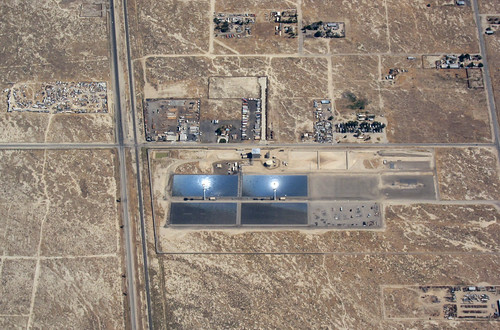
I have been of the view that solar thermal power generation (also known as concentrating solar power or CSP) would become our most important source of power in the longer term. This view was based on a number of advantages that solar thermal possesses - it does not require rare or expensive materials (enabling it to scale without hitting resource limits), it can be built on (and is best suited to) arid land that has few other uses, it can incorporate energy storage (thus avoiding the intermittency issue), it is compatible with the existing centralised generation model and it can be combined with traditional sources of power generation (coal or gas) in hybrid power plants that allow an easy transition using existing connections to the electricity grid.

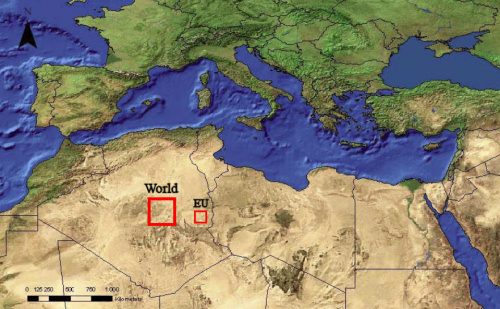
An area of desert around 250 km by 250 km covered with solar thermal power generation could supply all the world's current electricity demand.

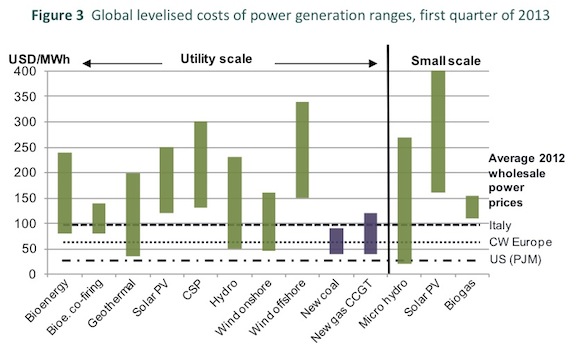
To my continuing dismay, this hasn't happened yet (though it was our fastest growing energy source in 2012) - primarily due to the lack of progress in pushing down costs - the LCOE (levelised cost of energy) of solar thermal still being around twice that other renewable energy options.

I retain some hope given that solar thermal technology remains relatively immature - there was a very long gap between the original plant (SEGS) built in California in the 1980s and the next generation of plants built in Spain beginning in 2007 and the south west of the US shortly afterwards.

Construction of plants is now spreading around the globe, with plants being built in Abu Dhabi, Kuwait, Saudi Arabia, Egypt, Israel, Morocco, Algeria (though at this point the immense Desertec proposal has fallen off the radar), South Africa, India, China and Chile.

While there are encouraging signs for solar thermal power, by and large it has been eclipsed by solar PV in recent years, with solar panel prices plummeting and manufacturing capacity surging. While thin film solar has also become competitive it is traditional silicon based solar PV that has dominated after years of being dismissed as being too expensive.

Research into improving solar PV remains vibrant, with new materials and concentrating solar power techniques looking to push the cost of solar PV below that of coal or gas fired power (the holy grail of solar grid parity).

Wind power

Wind power is the second largest renewable energy source available to us, with the potential supply also exceeding current global energy demand.

Wind power has also seen rapid growth over the past decade, with generation increasing by over 18% in 2012 and accounting for more than half of new renewable energy supply. In Denmark it now supplies more than 28% of electricity consumption.

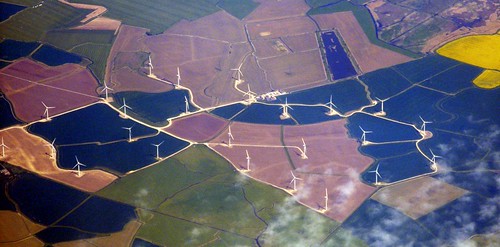
Wind power is now the cheapest source of renewable energy, with the LCOE being competitive with coal or gas fired power in many locations. Thanks to the merit order effect, wind power can also help lower the cost of power paid by consumers. While wind power is now a relatively mature technology, advances in turbine size and electromagnet technology along with optimisation of wind farm sites are allowing the overall efficiency of generation to increase further.

Like solar power, wind power can coexist with other uses of land - and large wind farm developments can also be located offshore.

Also like solar power, wind power is criticised for its intermittency. While geographical diversity of generation (along with diversity of energy sources and expanded grids, which will be discussed later) can help to address this, energy storage can also be built into wind turbines, a technique used in new models from GE.

Hydro power

Hydro power is the most mature source of renewable energy (the burning of wood aside) and still accounts for more electricity production than solar, wind, and geothermal combined - however it has a growth rate (around 3% in 2012) lower than most other renewables.

Hydro power current provides 16% if global power generation - the 4 largest power stations in the world are all hydro power projects.

Large scale hydro power doesn't have a lot of room for growth in the developed world, though the Himalayan region and Africa both still have significant room for growth.

Microhydro power is an alternative that is underdeveloped and often has an LCOE quoted that makes it competitive with wind power and with fossil fuels - however I've never seen any useful figures outlining the energy potential from this source (if you look at some designs you'd guess that this is something that could be deployed very widely).

Geothermal power

Geothermal energy is unusual compared to other large renewable power sources, in that it provides "baseload" power (thus placating those suffering from the "baseload fallacy") unlike other more intermittent sources like solar, wind and ocean power. The potential supply of geothermal energy is approximately equal to current global energy demand.

The first geothermal power generation plant was constructed in 1904 in Larderello, Italy, followed by Wairakei, New Zealand in the 1950's then the Geysers in California in the 1960’s. In 2012, 24 countries operated geothermal plants for electricity production, generating around 12 GW in total.

In 2012, growth in geothermal power was less than 3%, leaving it very much a niche energy source. Geothermal power generation is currently concentrated in geologically active areas - the western US, Indonesia, The Philippines, New Zealand, Iceland, Costa Rica, El Salvador and east Africa.

As well as active power generation from traditional geothermal power sources (including low temperature geothermal, ground source heat pumps can be used to provide direct heating.

The great white hope for geothermal power generation is known as "Enhanced Geothermal System" (EGS) (or sometimes Hot Dry Rock or Hot Fractured Rock) - generating power by drilling holes deep into the earth's crust to circulate water through. The energy potential for this type of geothermal energy is vast, however progress so far in terms of producing commercial power has been very disappointing.

Some early experiments were built in Switzerland but have been shut down due to concerns about earthquakes being caused by the drilling. The most promising experiment is being performed by GeoDynamics in Australia's outback - progress has been extremely slow, with numerous setbacks occurring before a 1 MW pilot plant was finally commissioned this year. On a positive note, operation of the pilot is beating expectations.

Ocean energy

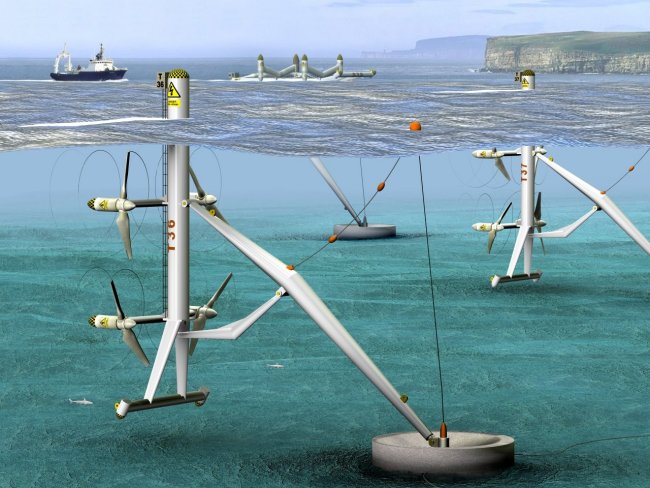
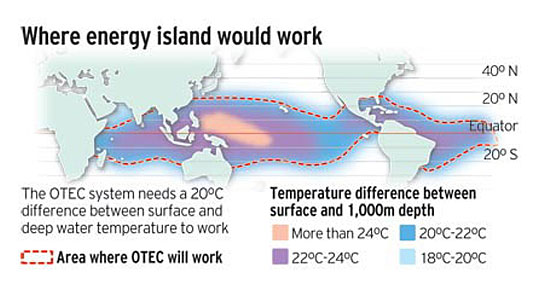
Energy can be tapped from the oceans in 3 different ways - tidal power, wave power and the little known OTEC (Ocean Thermal Energy Conversion).

While there is a significant potential resource in ocean energy - broadly equivalent to our current energy use - the technology for exploiting all 3 forms of energy remains immature and costly. Tidal power has been commercially generated since the 1960's, with France's 240 MW "La Rance" power station only recently being eclipsed in size by a South Korean project. South Korea is looking to greatly expand tidal power production over the next 5 years and a range of projects are proposed for the UK, Australia and the United States - however it appears unlikely that we will see large scale tidal power production in the next couple of decades.

Wave power and OTEC are even less advanced, however pilot projects are at various stages of development for both of them and interest will no doubt slowly build in size over time. Another even more exotic alternative is the generation of electricity using differences in salinity between bodies of water.

Biomass, Biogas and Biofuel

Photosynthesis provides a steady stream of material that can be used for energy - with the caveat that there are limits before this impacts on our ability to produce food and maintain a healthy environment.

There are a range of ways of harnessing organic material for energy (other than the traditional approach of burning it for heat - which the REN21 (pdf) report on renewable energy notes is still the dominant use for biomass - contributing almost 7% of global energy supply) - using biomass to generate power, producing biogas which can be used for heat, power generation or for transport, producing biofuels that can replace or supplement traditional liquid fuels and for pyrolysis which can generate biodiesel, fertiliser and biochar.

Biofuels have been the subject of widespread criticism (critics citing competition with food production and low EROI) and seem unlikely to be able to replace a significant proportion of our oil consumption. Production of ethanol and biodiesel has stagnated in recent years, with production declining by 0.4% in 2012.

Other advanced biofuels such as cellulosic ethanol and algae based biofuels have failed to be produced in significant quantities thus far.

Biomass based power generation also has its critics, though most seem to agree that it is preferable to biofuel production. Global biomass power generation capacity was 58 GW in 2011 and is expected to grow to 86 GW by 2021. The industry seems to be suffering some headwinds, with the largest biomass power plant (Tilbury in the UK) recently being mothballed. Another large scale project in the UK (Drax still seems to be going ahead, and generation of power from waste is booming in Europe.

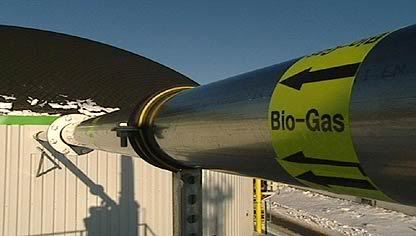
Biogas is the most promising of the biomass based energy generation approaches, with far fewer criticisms being leveled at it (most importantly, there is limited competition between food production and biogas production - the two are often complementary in fact - and the net energy available from biogas far exceeds that of biofuels). It can either be extracted from landfills or produced using "digesters" that process agricultural waste (or occasionally by exploiting natural sources of biogas).

The upper limits for biogas production are not clear, though some studies claim vast amounts can potentially be produced - for example, one European study said that all of Europe's gas needs could be met with biogas. Biogas power generation apparently produced about 14.5 GW in 2012.

Biogas is not only the most environmentally friendly of the biomass based energy alternatives it is also the most versatile, with the gas being able to be used for heat, power (or a mix of both - combined heat and power) or transport.

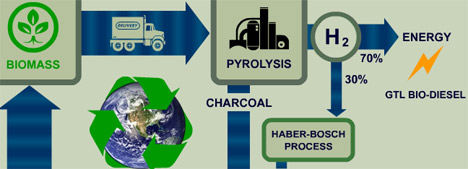
One last use for biomass is the production of biochar. Producers of biochar take dry biomass and bake it in a kiln to produce charcoal. Biochar is the term for what is left over after the energy is removed: a charcoal-based soil amendment. This process is called pyrolysis. Various gases and oils are driven off the material during the process and then used to generate energy. The charcoal is buried in the ground, sequestering the carbon that the growing plants had pulled out of the atmosphere. The end result is increased soil fertility and an energy source with negative carbon emissions.

Distribution of renewable energy

Smart Meters and Smart Grids

Renewable energy (primarily solar and wind power) is often criticised for being intermittent.

In the traditional model of electricity generation and distribution, large, centralised power stations were built with sufficient capacity to handle expected peaks in demand - with significant amounts of capacity idle during non peak parts of the day / year (and brownouts occurring if demand did happen to exceed supply). Consumers were charged a regulated price that ignored fluctuations in supply and demand - instead supply was adjusted as far as was practicable to meet demand.

Adopting a more dynamic (market based) pricing mechanism would allow energy users to have an incentive to shape their energy use to the available supply, thereby enabling fluctuations in supply to be dealt with.

The keys to making this possible are to provide electricity consumers with smart meters and the ability to alter their energy usage based on market price fluctuations. Smart grids are required for electricity distributors to create a more flexible grid incorporating a much more diverse range of power generators.

Supergrids and The Global Energy Grid

As well as making the grid more dynamic, interconnections between grids need to be expanded to enable a greater diversity of suppliers to be available across a wide region - this helps further address the issue of intermittency of supply - the sun may not be shining and the wind may not be blowing in one region however this won't be true across all regions making up a greater grid.

Proposals for extending regional grids into continent wide ones (usually by building HVDC connections between existing grids) tend to be dubbed "supergrids" - examples can be found for North America, Germany and the whole of Europe and between Europe and North Africa.

Buckminster Fuller took this idea to its logical endpoint and recommended the creation of a "global energy grid" as a step towards ending our dependency on fossil fuels.

Energy Storage

The final piece of transforming the electricity grid to distribute 100% renewable energy is building in sufficient energy storage to ensure that suppliers have the ability to react to swings in demand as well as vice versa.

Traditionally energy storage has been available in greater or lesser amounts (depending on what grid you are connected to) in the form of pumped hydro storage.

A wide range of other options have been proposed and explored over the years, ranging from Compressed air energy storage to batteries to flywheels to generating hydrogen (pumped hydro even has an ocean equivalent which is one of the more promising options).

Most battery storage being implemented today involves either lithium ion batteries or flow batteries - however further cost reductions are viewed as being necessary to enable wider availability of energy storage services.

One option receiving a lot of attention recently has been a proposal by MIT Professor Donald Sadoway to build liquid metal batteries.

Adopting alternatives to oil

While it is clear that we can replace all the energy we currently get from fossil fuels with renewable energy, the problem remains that electricity is not a direct substitute for liquid fuels - and that fossil fuels have some other important uses other than providing energy.

Transport

The most important use of liquid fuels is in transport. Increasing fuel efficiency of vehicles (around 3% per year) and substitution of natural gas for oil as a fuel for heavy vehicles has been constraining the growth of oil consumption for road transport in recent years, however this can only ever be a temporary solution - in the longer term we need to use either electricity .

Electrifying as much of the transport system as possible is the first step, with biofuels being used for those forms of transport that cannot be electrified (either liquid biofuel such as ethanol or biodiesel, or compressed biogas) such as large planes and ships.

Hybrid electric vehicles (including plug in hybrids and solar hybrids) are a maturing technology with over 5 million vehicles on the roads now.

These are providing the stepping stone to fully electric vehicles (which are already outselling plug in hybrids in the US). The journey towards fully electric cars has been a slow one with the star example so far being Tesla Motors (other promising projects such as Better Place have fallen by the wayside in recent years, though manufacturers such as Nissan are competing at the lower end of the market and a raft of car makers are building high end electric sports cars.

Three problems are holding up the transition to electric vehicles at this point - slow recharge times, "range anxiety" and the relatively high cost of electric vehicles compared to legacy internal combustion engine based vehicles. Tesla are looking to address both of the first two issues by pursuing both fast recharge technology (with various other schemes being implemented around the globe) and a battery swap system similar to that pursued by Better Place.

The IEA has set a target of 20 million electric vehicles by 2020, with further 50% increase in battery performance a key to achieving this goal, following on the 50% increase achieved in the past 3 years.

Cars aren't the only type of vehicle that requires fuel of course - heavier forms of of transport also consume oil. We are now starting to see electric trucks, electric buses and electric boats begin to appear out in the marketplace. Where heavy vehicles such as buses follow the same route on a regular basis they become candidates for recharging while in transit.

Of course, we don't have to simply substitute electric vehicles for existing liquid fuel powered ones. There is a wide range of alternatives available including:

  • Walkable communities
  • Cycling. Many journeys do not need to be made by car, particularly if cities are designed to enable transport by cycle (both by pedal powered bicycles and electric bikes) as well as by foot or rail transit.
  • Transit oriented development
  • Rail transport. Rail transport can be electrified where it isn't already and can provide both transit within cities and long distance travel as well (preferably via a high speed rail network)
  • Exotic options such as Personal rapid transit and Elon Musk's proposed Hyperloop

Bioplastic

Nearly all the plastics sold today come from petroleum, accounting for up to 5% of global petroleum consumption by some estimates. Recycled plastics are a good first step towards reducing oil consumption, however they can only be recycled two to four times, and only around 25% of plastics are actually recycled.

The sustainable alternative to traditional plastic is bioplastic. The cost of producing bioplastic has been falling thanks to improved processes, requiring lower temperatures. Combining this with the increasing cost of crude oil has made bioplastic prices competitive with regular plastics.

Bioplastic production is expected to reach 1 million tons in 2015, out of total global plastics production of around 300 million tons.

Leading manufacturers include Avantium, BASF, Braskem, Cereplast, Metabolix and Natureworks. Bioplastic feedstocks include vegetable oil, corn starch, plant cellulose and mycellium.

Bioplastic doesn't necessarily need to replace all current uses of plastic - other alternatives are materials that have been replaced by plastics in recent decades, including steel, wood, aluminum, glass, cardboard and paper.

Agriculture

Agriculture obviously requires transport to grow and distribute food products, however it also requires fertiliser (at least if we continue to follow the green revolution model), which is usually produced using natural gas.

This can be addressed via a range of techniques - by being more efficient with fertiliser use (which would have many environmental and health benefits), by adopting organic farming techniques, by growing food near where we live, by generating ammonia using air, water and renewable energy - or by getting to the root of the problem and enabling plants to fix nitrogen themselves.

Another way of reducing energy consumption from agriculture is to find new ways of producing food - efforts to produce artificial meat (or "cultured beef", as it is sometimes known) have the potential to reduce the amount of energy required to produce meat by 45%.

Manufacturing and Construction

Manufacturing is a major consumer of energy and raw materials. The amount of energy and other raw materials devoted to manufacturing can be reduced by optimising for recycling - in particular by adopting "cradle to cradle" design and manufacturing techniques.

Distributed manufacturing and 3D printing also have potential for reducing the amount of energy required to distribute manufactured goods.

The construction and ongoing operation of buildings is another major consumer of energy, with "green buildings" and energy efficient devices such as LED lighting that minimise energy consumption being an important part of our clean energy future.

Conclusion

The aim of this post was to demonstrate the following (or at least provide food for thought to irredeemable skeptics) - I hope you've found it thought provoking.

  • There is more than enough renewable energy available to meet all our needs - primarily using solar and wind power - and this can be done at a reasonable cost
  • The keys to shifting to renewable energy are to expand the interconnectedness of our electricity grids, to make electricity demand more dynamic (responding to changes in electricity supply / price) and to put more energy storage in place
  • That we need to be aware of the areas where we use fossil fuels and transform these to use renewable energy - to electrify our transport systems, to adopt alternatives to traditional plastics and to adapt our agricultural, manufacturing and construction processes to reduce the amount of energy required and to eliminate dependencies on fossil fuels

40 MW Tidal Power Plant Approved For Northern Australia  

Posted by Big Gav in , , , ,

A new tidal power project in WA's Kimberley region (something which has been on the cards for many years) has received approval from the WA environment minister (taking the lead in the race to develop the first tidal power plant in Australia's north).

The project is being proposed by Tidal Energy Australia (TEA), who also seem to have taken ownership of Lloyd Energy's graphite energy storage technology. The project will be located at Doctor's Creek near Derby. TEA are also proposing a tidal power project for the lower Ord river.

The proposed plant will have a capacity of 40 MW - the main obstacle to it actually being built seems to be a dependency on the negotiation of a contract for the construction of power lines to major towns in the West Kimberley. TEA says the project (the design and costing was completed in 2003) is awaiting “a suitable offtake contract” before it can go ahead. Woodside's proposed Browse LNG project James Price Point was originally considered to be the likely customer, however with that project being shelved the company is hoping one of the local diamond or zinc mines will fill that role.

The cost is being speculated to be in the $250-$300/MWh range – not be much of a discount from diesel. RenewEconomy suggests the project would require the support of funding from ARENA or the CEFC. There are no details on which tidal technology would be favoured.

North Devon 'perfect site' for £240m tidal barrage power station  

Posted by Big Gav in , ,

This Is Cornwall has an article on yet another plan for a tidal power project on the Severn Estuary - North Devon 'perfect site' for £240m tidal barrage power station.

The barrage would be 1,200 metres (three-quarters of a mile) long and would run between Northam Burrows and Braunton Burrows. A road bridge would run along the top of the barrage, which Mr Apps claims would halve the travelling distance between Bideford and Braunton as well as alleviate congestion.

The project would cost between £200 and £240 million and would be a public-private partnership. Mr Apps said the project would largely be supported through European funding as well as from private investment.

The barrage would consist of eight or nine variable pitch turbines which would produce between 88 and 100 MW. In total the scheme could power up to 72,000 homes – more than twice the number that Fullabrook Wind Farm powers.

Is Scotland the “Saudi Arabia” of Tidal Power ?  

Posted by Big Gav in , , ,

The Smithsonian blog has a post on a new study on the amount of tidal power available in Scotland's Pentland Firth - Is Scotland the “Saudi Arabia” of Tidal Power ?. A lot of the commentary elsewhere seemed to have a vast amount of political spin on it, claiming that earlier estimates of 10 - 20 GW were vastly overblown. if you actually look at the report (and particularly the image below) its fairly obvious that the new "1.9 GW" estimate is for an installation crossing the firth at one point - obviously you could build a number of installations along the firth (points A1 and A2 for example, or out to the Skerries) and get a rather larger number similar to earlier estimates, not that logic is a strong point for many critics of renewable energy.

The researchers looked at the construction of multiple rows of these sorts of turbines, placed in a variety of locations within the Firth. Their models took into account the depth of the water at each given location, observed tidal speeds and heights over the course of each month, and a number of other variables.

Ultimately, the team found that the maximum practical capacity of 1.9 gigawatts would be possible with three rows of turbines, built in the locations mapped below (B, C, and D on the map). Because each row slows down the movement of the tides that pass through it, building more then three would only marginally improve the power capacity, while increasing the overall cost of the project at a constant rate. (A, on the map, is a proposed alternate scheme that would produce a similar level of energy but at a higher cost.) ...

As of now, the biggest hurdle is price: without any carbon pollution regulation schemes in place, most renewable sources of energy, including tidal power, just aren’t as cheap as burning coal or other fossil fuels. But many energy companies have already recognized that, long-term, the cost of fossil fuel production will increase—both because of eventual regulations of the emissions of greenhouse gases and because of fossil fuels are becoming increasingly costly to extract—and harnessing the power of the tides could provide a reliable way to meet a portion of our energy demands.

Severn Tidal Power Subsidy Below Offshore Wind  

Posted by Big Gav in , ,

Hope springs eternal in the UK where groups are trying to revive the Severn tidal power project - Severn Tidal Power Subsidy Below Offshore Wind. The article says the subsidies required to be similar for those for a new nuclear power plant - but for a 30 year time frame, even though the tidal power plant would work for well over a century (and wouldn't have unquantifiable decommissioning costs).

The Severn Barrage project probably will require subsidies at about the same level as nuclear power stations and less than what’s offered for offshore wind plants, the developer of the British tidal energy project said.

“We expect that the price we will be able to negotiate will fall below offshore wind, and we hope close to or perhaps at the price nuclear power is currently negotiating,” Gregory Shenkman, chairman of Hafren Power Ltd., said at a hearing in the House of Commons in London today. That would make the project economically viable, he said.

The comments are aimed at answering the criticism that the technology that’s not working at a commercial scale anywhere in Britain would cost too much. Estimates for what the dam-like structure spanning the river at the southern end of Wales ran up to 25 billion pounds ($39 billion).

The Hafren plans, put to Prime Minister David Cameron in July, involve an 11-mile (18 kilometer) barrage from Cardiff in South Wales to Weston-super-Mare in Somerset. Its 1,026 turbines would generate power on tides as the sea rises and falls. The project may create about 20,000 construction jobs and 30,000 manufacturing and service jobs.

The barrage could fulfil 16 percent of that target and be capable of generating as much as 5 percent of the U.K.’s power, the government estimates. The project would need 30 years of support through subsidies. Thereafter, it would run for at least 90 years without support, generating electricity that’s 75 percent cheaper than all other forms of generation, Shenkman said. Across its 120 year life span, the project could produce power at about 48 pounds-a-megawatt-hour, less than the 88 pounds nuclear power costs, he said.

Statistics

Locations of visitors to this page

blogspot visitor
Stat Counter

Total Pageviews

Ads

Books

Followers

Blog Archive

Labels

australia (619) global warming (423) solar power (397) peak oil (355) renewable energy (302) electric vehicles (250) wind power (194) ocean energy (165) csp (159) solar thermal power (145) geothermal energy (144) energy storage (142) smart grids (140) oil (139) solar pv (138) tidal power (137) coal seam gas (131) nuclear power (129) china (120) lng (117) iraq (113) geothermal power (112) green buildings (110) natural gas (110) agriculture (91) oil price (80) biofuel (78) wave power (73) smart meters (72) coal (70) uk (69) electricity grid (67) energy efficiency (64) google (58) internet (50) surveillance (50) bicycle (49) big brother (49) shale gas (49) food prices (48) tesla (46) thin film solar (42) biomimicry (40) canada (40) scotland (38) ocean power (37) politics (37) shale oil (37) new zealand (35) air transport (34) algae (34) water (34) arctic ice (33) concentrating solar power (33) saudi arabia (33) queensland (32) california (31) credit crunch (31) bioplastic (30) offshore wind power (30) population (30) cogeneration (28) geoengineering (28) batteries (26) drought (26) resource wars (26) woodside (26) censorship (25) cleantech (25) bruce sterling (24) ctl (23) limits to growth (23) carbon tax (22) economics (22) exxon (22) lithium (22) buckminster fuller (21) distributed manufacturing (21) iraq oil law (21) coal to liquids (20) indonesia (20) origin energy (20) brightsource (19) rail transport (19) ultracapacitor (19) santos (18) ausra (17) collapse (17) electric bikes (17) michael klare (17) atlantis (16) cellulosic ethanol (16) iceland (16) lithium ion batteries (16) mapping (16) ucg (16) bees (15) concentrating solar thermal power (15) ethanol (15) geodynamics (15) psychology (15) al gore (14) brazil (14) bucky fuller (14) carbon emissions (14) fertiliser (14) matthew simmons (14) ambient energy (13) biodiesel (13) investment (13) kenya (13) public transport (13) big oil (12) biochar (12) chile (12) cities (12) desertec (12) internet of things (12) otec (12) texas (12) victoria (12) antarctica (11) cradle to cradle (11) energy policy (11) hybrid car (11) terra preta (11) tinfoil (11) toyota (11) amory lovins (10) fabber (10) gazprom (10) goldman sachs (10) gtl (10) severn estuary (10) volt (10) afghanistan (9) alaska (9) biomass (9) carbon trading (9) distributed generation (9) esolar (9) four day week (9) fuel cells (9) jeremy leggett (9) methane hydrates (9) pge (9) sweden (9) arrow energy (8) bolivia (8) eroei (8) fish (8) floating offshore wind power (8) guerilla gardening (8) linc energy (8) methane (8) nanosolar (8) natural gas pipelines (8) pentland firth (8) saul griffith (8) stirling engine (8) us elections (8) western australia (8) airborne wind turbines (7) bloom energy (7) boeing (7) chp (7) climategate (7) copenhagen (7) scenario planning (7) vinod khosla (7) apocaphilia (6) ceramic fuel cells (6) cigs (6) futurism (6) jatropha (6) nigeria (6) ocean acidification (6) relocalisation (6) somalia (6) t boone pickens (6) local currencies (5) space based solar power (5) varanus island (5) garbage (4) global energy grid (4) kevin kelly (4) low temperature geothermal power (4) oled (4) tim flannery (4) v2g (4) club of rome (3) norman borlaug (2) peak oil portfolio (1)