Showing posts with label agriculture. Show all posts

Businesses abandoning gas in Australia  

Posted by Big Gav in , , , ,

RNE has the latest in a string of articles about Australian businesses adopting to build their own renewable energy and energy storage systems rather than pay extortionate gas prices - Victoria agribusiness turns to 196MW wind farm with 20MW storage.

Agri-business company Nectar Farms has announced a $565 million expansion of its new hydroponics business near Stawell in the Victoria’s western districts, that will include a 196MW wind farm and 20MW of battery storage and make it 100 per cent renewable-powered. ... It is possibly the first time that a major project has relied on the ability to source renewable energy, because without it the cost of fossil fuels would have been too prohibitive.

Nectar Farms had planned to use gas – as the hydroponic farms needs heat and Co2 – but the cost was overwhelming and the gas supply was not guaranteed – so instead of abandoning the project altogether, or moving it elsewhere, it has turned to renewables and decided to completely electrify the process.

Arctic stronghold of world’s seeds flooded after permafrost melts  

Posted by Big Gav in , ,

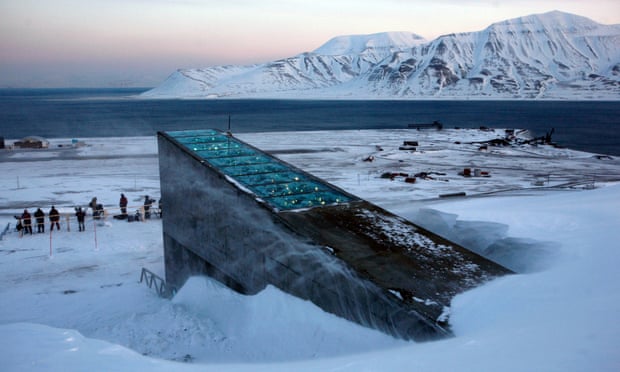
The Guardian reports that the doomsday seedbank at Svalbard has been flooded after the permafrost it is built on melted - Arctic stronghold of world’s seeds flooded after permafrost melts. I wonder how far above sea level it is ?

It was designed as an impregnable deep-freeze to protect the world’s most precious seeds from any global disaster and ensure humanity’s food supply forever. But the Global Seed Vault, buried in a mountain deep inside the Arctic circle, has been breached after global warming produced extraordinary temperatures over the winter, sending meltwater gushing into the entrance tunnel.

The vault is on the Norwegian island of Spitsbergen and contains almost a million packets of seeds, each a variety of an important food crop. When it was opened in 2008, the deep permafrost through which the vault was sunk was expected to provide “failsafe” protection against “the challenge of natural or man-made disasters”.

But soaring temperatures in the Arctic at the end of the world’s hottest ever recorded year led to melting and heavy rain, when light snow should have been falling. “It was not in our plans to think that the permafrost would not be there and that it would experience extreme weather like that,” said Hege Njaa Aschim, from the Norwegian government, which owns the vault.

“A lot of water went into the start of the tunnel and then it froze to ice, so it was like a glacier when you went in,” she told the Guardian. Fortunately, the meltwater did not reach the vault itself, the ice has been hacked out, and the precious seeds remain safe for now at the required storage temperature of -18C.

The simple truth: Coal-fired generators have no future in Australia  

Posted by Big Gav in , , , ,

After last week's blackouts, record heat and bizarre coal worshipping rituals in parliament, Ross Gittins has sarcastically concluded it as just as well we don't need to worry about global warming - Don't worry, climate change is just imaginary.

Malcolm Turnbull, the man who lost his job as party leader because was so keen to see action he supported the Labor government's emissions trading scheme, is now keen to ensure it never happens again. The squeakiest wheels in the party want him to demonise renewable energy, blaming it for all the blackouts and price rises? Introduce new government subsidies for coal while making the future for power generation so uncertain no one's game to invest in anything?

Sure. Whatever it takes. (Don't worry, Malcolm, I'm sure all the people inside and outside the Liberal fold who were so pleased when you became Prime Minister – me included – will learn to accept your need to abandon everything we know you believe and start doing Tony Abbott impressions.)

It's the easiest thing in the world for people to imagine that whatever's been happening lately is much bigger and more terrible than ever before.

Trouble is, the scientists keep confirming our casual impressions. A report this month prepared by top climate scientists for the independent Climate Council, is all bad news. They say all extreme weather events in Australia are now occurring in an atmosphere that's warmer and wetter than it was in the 1950s. "Heatwaves are becoming hotter, lasting longer and occurring more often," they say. "Extreme fire weather and the length of the fire season is increasing, leading to an increase in bushfire risk." ...

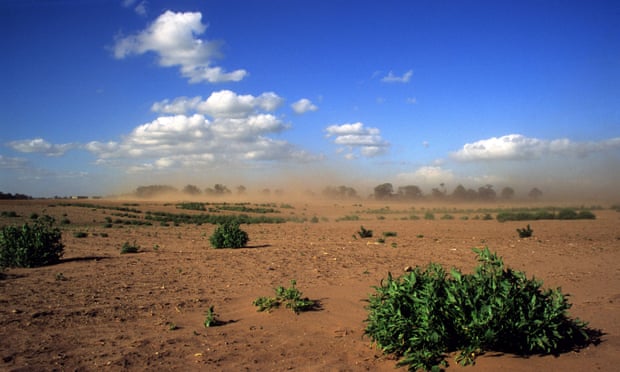
Of course, none of this is having any effect on agriculture. It must be a great comfort to our farmers to know that, by order of Barnaby Joyce and the National Party, climate change is a figment of the climate scientists' imagination. This is good news, since I read that reliable rainfall and predictable temperature ranges are critical to agricultural production, and these are the very factors affected by a changing climate – if it was changing, which it isn't.

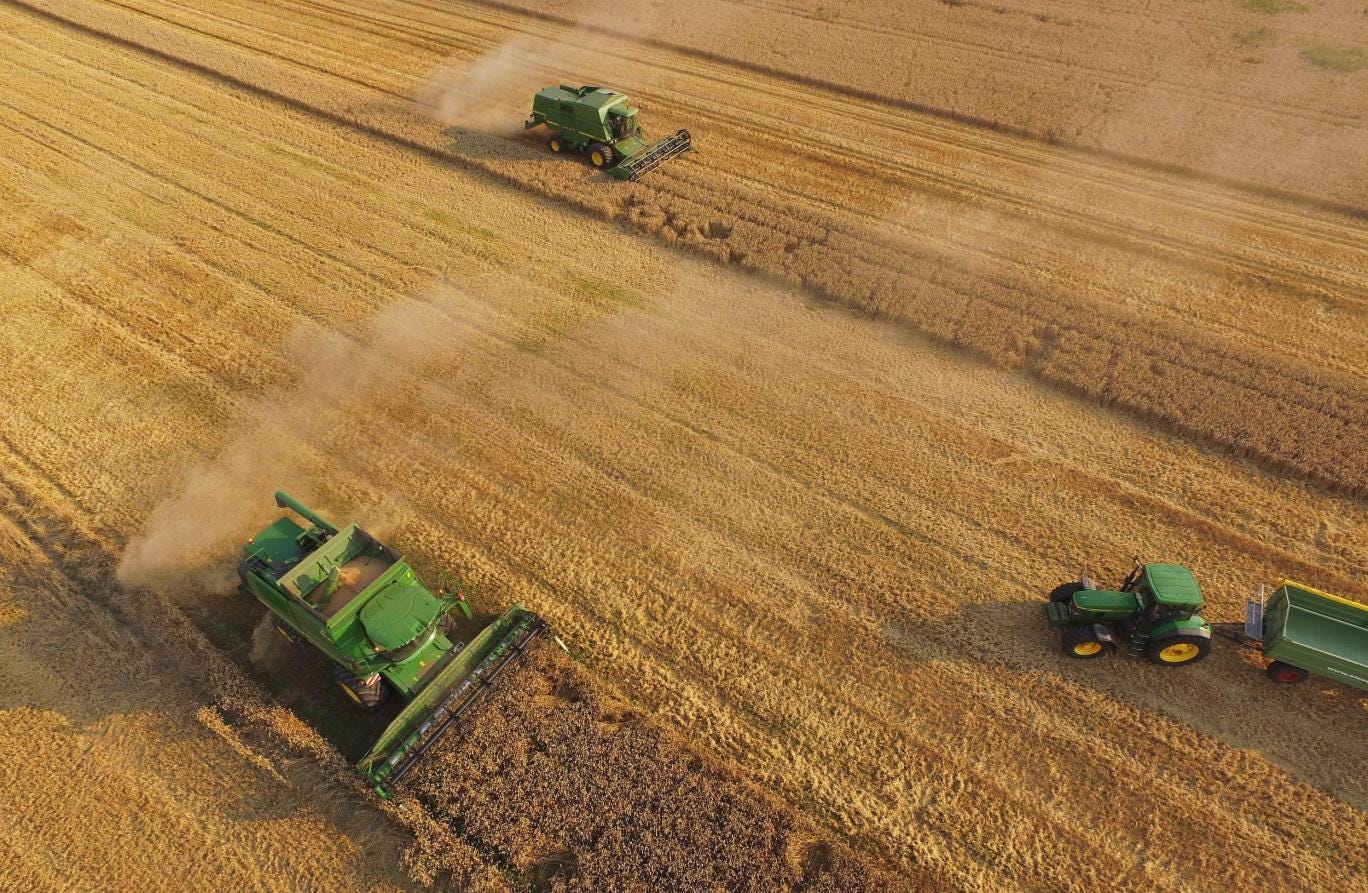
A new CSIRO study, led by Dr Zvi Hochman, has found that Australia's average yields from wheat-growing more than tripled between 1900 and 1990 thanks to advances in technology, but have stalled in the years since then. The study found that, since 1990, our wheat-growing zone had experienced an average rainfall decline of 2.8 millimetres, or 28 per cent per cropping season, and a maximum daily temperature increase of about 1 degree.

Australia's "yield potential" – determined by climate and soil type – which is always much higher than farmers' actual yields, has fallen by 27 per cent since 1990. So all the efforts farmers have made to improve their yields with better technology and methods have served only to offset the effects of climate change, leaving them no better off. "Assuming the climate trends we have observed over the past 26 years continue at the same rate, even if farmers continue to improve their practices, it is likely that the national wheat yield will fall," Hochman says.

It also emerged that Prime Minister Turnbull has his own solar power and energy storage setup at home, which might explain his lack of concern at our ageing energy infrastructure.

Meanwhile the local press is full of stories like "Prime Minister Malcolm Turnbull and ministers were told wind not to blame for South Australia blackout" (explaining the government deliberately lied when they tried to blame wind power for SA grid outages), EnergyAustralia boss says shift to renewables “a reality”, need for plan “urgent” and this excellent article from Ian Verrender, concluding "carbon pricing is inevitable" - The simple truth: Coal-fired generators have no future in Australia.

As the finger-pointing over higher prices nationally, blackouts in South Australia and threatened disruptions across the eastern states escalates, any notion over rational debate on how best to address the nation's long-term energy challenges has evaporated.

Put aside the irony that the recent run of misfortune on the national electricity grid is the direct result of a savage uptick in extreme weather conditions, a trend the vast bulk of climate scientists have been warning of for decades.

The simple truth is that, despite the entertaining theatre of insults in the national capital, Australia's future power needs overwhelmingly will be provided by renewables and gas. Coal-fired generators have no future in Australia. That is a trend driven by energy generators and consumers, both of which have abandoned hope of policy leadership from Parliament.

Generators jettisoned the idea of coal years ago, at least when it comes to building new power stations, because they carry too much risk. You're looking at upwards of $1 billion for a large-scale coal-fired generator that would be expected to last around 50 years.

No rational businessperson is willing to commit that kind of funding over that period, in an electoral cycle that lasts just three years. And that's just the equity side. An investment of that magnitude also requires huge amounts of project debt and, faced with the prospect of stranded assets and non-performing loans, financiers have wiped their hands of the idea of coal-fired electricity.

Consumers, meanwhile, have plunged into renewables, with Australians among the world's fastest adopters of rooftop solar.

Big business now seems to be abandoning the conservatives to their collective delusion, with the country's largest utility, Energy Australia, declaring we need a national plan for shifting to renewable energy - EnergyAustralia boss says shift to renewables “a reality”, need for plan “urgent”.

One of Australia’s largest operators of coal-fired power plants has weighed into the national energy debate, calling for a non-partisan push to clean energy and reminding policy makers that the shift to renewables is “a reality” that must be addressed.

In a full page advertisement published in major national newspapers on Tuesday, Energy Australia managing director Catherine Tanna (pictured below) said the way the country generated energy “had to change”, and that her company – owner of the Yallourn coal power plant, among others – was prepared to do its bit to make this happen.

“We believe all Australians should have reliable, affordable energy,” Tanna said in the letter, mirroring one of Malcolm Turnbull’s favourite energy sound-bites. “However, the way we generate, deliver and use energy has to change and I’m determined EnergyAustralia will live up to its responsibility.”

US Crop Harvests Could Fall By Up To 49% Due To Global Warming  

Posted by Big Gav in ,

Scientific American says "Future harvests of wheat, soybeans and corn could drop by 22 to 49 percent, mostly due to water stress" - U.S. Crop Harvests Could Suffer with Climate Change.

According to their estimates, corn and soybean plants can lose 5 percent of their harvest for every single day that is recorded above 30 C. Such crop losses could have huge repercussions for domestic food security and — given that the United States is one of the largest crop exporters in the world — affect prices in the international market.

There are multiple ways that higher temperatures could affect crop growth, and most of them come down to water stress, said Joshua Elliott, a research scientist with the University of Chicago and a co-author of the study.

Evaporation rates shoot up on hotter days, reducing the amount of moisture in the soil that's available to the plants. Moreover, plants tend to open their stomata — small pores on their leaves — to transpire water when temperatures increase, creating an additional source of stress. Certain studies have also suggested that high temperatures during a plant's flowering period could actually lead to a “sterilization” effect.

RIP Bill Mollison  

Posted by Big Gav in ,

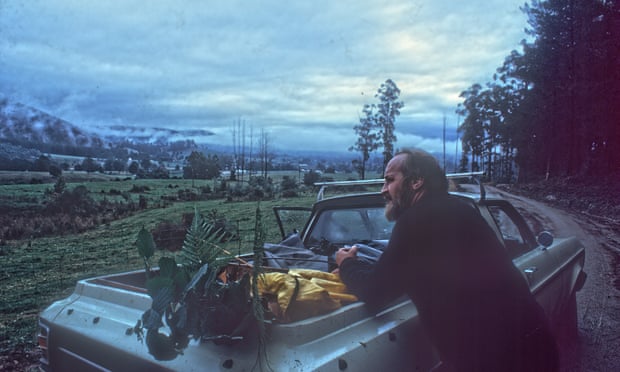
The Guardian reports that permaculture pioneer Bill Mollison has passed away - Bill Mollison obituary.

Bill Mollison, who has died aged 88, was one of the co-creators of permaculture, an agricultural system that works with, rather than against, nature, on the basis that the natural world holds the key to stable and productive systems. Having developed the concept, he then travelled from his native Tasmania for 30 years to embed his approach worldwide. His ideas have spread widely – permaculture is practised in more than 140 countries and by more than 3 million people – even though in the 1970s the idea was considered, in Mollison’s words, “the highest form of sedition”.

Much of what he espoused was based on his great respect for the wisdom of subsistence farmers around the world, who have long used sustainable methods to grow their crops. In agricultural terms, this means planting diverse sets of crops, using perennial species to form productive stable systems, and ensuring the conditions for soils to be regenerated.

Other characteristics that he observed in the Tasmanian wilderness informed permaculture, for instance that the interfaces between different habitats are the most productive and that elements such as plants and animals need to be placed together so they are mutually beneficial – as once when he pointed out: “You don’t have a slug problem, you have a duck deficiency!”

Mollison pointed to further beneficial ecological consequences: “The only safe energy systems are those derived from biological systems. A New Guinea gardener can walk through the gates of his garden taking one unit of energy and hand out 70. A modern farmer who drives a tractor through the gate takes 1,000 units of energy in and gives one back. Who is the most sophisticated agriculturalist?”

Heating, fresh water and electricity from seawater and sunlight  

Posted by Big Gav in , , , , , , ,

While Port Augusta waits to see if any solar thermal power plants will be constructed in the town, one project which has gone ahead is a smaller solar tower providing electricity, heat and desalinated water to a tomato farm.

The company behind the project is Aalborg CSP. The project consists of a tower with a 234-tonne central boiler and 23,000 mirrors.

The "Integrated Energy System" will be the first large-scale CSP-based technology in the world to provide multiple energy streams – heating, fresh water and electricity – for horticultural activities.

Earth has lost a third of arable land in past 40 years, scientists say  

Posted by Big Gav in ,

The Guardian has an article on soil depletion - Earth has lost a third of arable land in past 40 years, scientists say.

The world has lost a third of its arable land due to erosion or pollution in the past 40 years, with potentially disastrous consequences as global demand for food soars, scientists have warned. New research has calculated that nearly 33% of the world’s adequate or high-quality food-producing land has been lost at a rate that far outstrips the pace of natural processes to replace diminished soil.

The University of Sheffield’s Grantham Centre for Sustainable Futures, which undertook the study by analysing various pieces of research published over the past decade, said the loss was “catastrophic” and the trend close to being irretrievable without major changes to agricultural practices. The continual ploughing of fields, combined with heavy use of fertilizers, has degraded soils across the world, the research found, with erosion occurring at a pace of up to 100 times greater than the rate of soil formation. It takes around 500 years for just 2.5cm of topsoil to be created amid unimpeded ecological changes.

Study strengthens link between neonicotinoids and collapse of honey bee colonies  

Posted by Big Gav in , , , ,

The Harvard School of Public Health has published some new research on bee colony collapse disorder - Study strengthens link between neonicotinoids and collapse of honey bee colonies

Two widely used neonicotinoids—a class of insecticide—appear to significantly harm honey bee colonies over the winter, particularly during colder winters, according to a new study from Harvard School of Public Health (HSPH). The study replicated a 2012 finding from the same research group that found a link between low doses of imidacloprid and Colony Collapse Disorder (CCD), in which bees abandon their hives over the winter and eventually die. The new study also found that low doses of a second neonicotinoid, clothianidin, had the same negative effect.

Further, although other studies have suggested that CCD-related mortality in honey bee colonies may come from bees’ reduced resistance to mites or parasites as a result of exposure to pesticides, the new study found that bees in the hives exhibiting CCD had almost identical levels of pathogen infestation as a group of control hives, most of which survived the winter. This finding suggests that the neonicotinoids are causing some other kind of biological mechanism in bees that in turn leads to CCD.

Outside has an article looking at wider problems with insecticides - Your Food Is Poisoning You.

Such is the case, too, with people who’ve been trying to link celiac disease (and other ills) with the use of the herbicide glyphosate. Despite having long been treated like Bigfoot believers by their opponents, their research is now gaining widespread attention. More importantly, there's a growing sense that the science has reached a tipping point: Glyphosate cannot be recognized as harmless.

“I'm always suspicious of these consensuses on [the safety of] agriculture chemicals—they almost always fall apart over time, and that may be happening with glyphosate,” says author and food activist Michael Pollan.

Introduced by Monsanto in the early 1970s under the trade name Roundup (and used primarily back then as a weed killer), glyphosate is now used throughout the world on wheat and soy crops and since 2007 it has been the most widely used herbicide in the U.S.—and the growing target of research linking it to a variety of illnesses.

“Since Monsanto first introduced Roundup into crops in 1974, there’s been a rise in autism and other diseases,” says Stephanie Seneff, a senior research scientist at the MIT Computer Science and Artificial Intelligence Laboratory and co-author, with Anthony Samsel, a retired environmental scientist, of the recent review claiming that Roundup leads to celiac disease . “I’m certain at this point that glyphosate is the most important factor in an alarming number of epidemic diseases.” Diseases ranging from autism, Alzheimer’s, and diabetes to pancreatic cancer, thyroid cancer, non-Hodgkin’s lymphoma, Parkinson’s disease and—wait for it—the ongoing collapse of bee colonies.

But where then, beyond the work of Seneff and Samsel, is the proof? Well, there isn’t much hard evidence (only two long-term studies on the health effects of the chemical have been conducted). And for a complicated set of reasons. For one, historically, people who’ve challenged the biotech industry have been systematically discredited, says Pollan, "as we learned recently about Tyrone Hayes, the UC Berkeley herpetologist who ran afoul of Syngenta." Also, there’s the just-as-hard-to-prove theory that no one wants to bite the hand that feeds them.

“Some of our scientists are the ones who are the most difficult—and the biggest impediment to better research—because they’re funding is dependent on the very same agrichemical companies like Monsanto that are producing Roundup,” says Dr. Don Huber, professor emeritus of plant pathology at Purdue University (who for years consulted with Monsanto scientists). "They’re not about to go in a different direction from the people who’ve been funding them."

Phosphorus recycling: From the sewer to the farm, via startup Ostara  

Posted by Big Gav in ,

GigaOm has an article on a startup that has built a plant to retrieve phosphorous from sewage and wastewater and turn it into fertiliser - From the sewer to the farm, via startup Ostara.

Agriculture — done efficiently — can begin and end at a local sewage treatment plant. Canadian startup Ostara Nutrient Recovery Technologies has just finished building a new phosphorous-harvesting plant in the United Kingdom, its first in Europe, at one of water utility Thames Water’s waste water treatment plants in Slough, Berkshire.

Why should you care about phosphorous? The element is a key ingredient in fertilizers because it helps to keep crops healthy and productive. Creating an abundant supply of phosphorous is important for increasing food production to feed the world’s growing population.

Ostara is banking on worries — and debatable theory — that phosphorous reserves in mines are depleting, causing prices for this essential fertilizer ingredient to yo-yo dramatically in recent years. Major phosphorous producing countries include the U.S., China and Morocco.

Ostara’s process harvests the phosphorous and ammonia from the waste water stream, which is diverted to its equipment, and then adds magnesium to cement a strong bond with the two minerals to form tiny crystals.

Factory Food From Above: Satellite Images of Industrial Farms  

Posted by Big Gav in ,

Wired has a look at a set of satellite photos of feedlots - Factory Food From Above: Satellite Images of Industrial Farms.

Seen from a satellite, an industrial feedlot has a sort of abstract beauty. The washes of colors, the juxtaposition of organic and rigid geometries, initially obscure the subject. Then comes the realization: That’s where our food comes from.

Such is the power of “Feedlots,” a new series of images crafted by British artist Mishka Henner from publicly available satellite photographs. Henner does work with the photos, enhancing the colors — the waste lagoons above, for example, are flat green rather than bright — but the physical details are unaltered.

Henner, who noticed the feedlots while scanning for pictures of oil fields in Texas, didn’t at first realize what he was looking at. Factory farms exist in the United Kingdom, but not at landscape scales.

World changing technology enables crops to take nitrogen from the air  

Posted by Big Gav in , ,

PhysOrg has an article on an ingenious technique known as N-fix that could enable us to reduce our dependency on ammonia based fertilisers - World changing technology enables crops to take nitrogen from the air.

A major new technology has been developed by The University of Nottingham, which enables all of the world's crops to take nitrogen from the air rather than expensive and environmentally damaging fertilisers.

Nitrogen fixation, the process by which nitrogen is converted to ammonia, is vital for plants to survive and grow. However, only a very small number of plants, most notably legumes (such as peas, beans and lentils) have the ability to fix nitrogen from the atmosphere with the help of nitrogen fixing bacteria. The vast majority of plants have to obtain nitrogen from the soil, and for most crops currently being grown across the world, this also means a reliance on synthetic nitrogen fertiliser.

Professor Edward Cocking, Director of The University of Nottingham's Centre for Crop Nitrogen Fixation, has developed a unique method of putting nitrogen-fixing bacteria into the cells of plant roots. His major breakthrough came when he found a specific strain of nitrogen-fixing bacteria in sugar-cane which he discovered could intracellularly colonise all major crop plants. This ground-breaking development potentially provides every cell in the plant with the ability to fix atmospheric nitrogen. The implications for agriculture are enormous as this new technology can provide much of the plant's nitrogen needs.

Yemen’s multiple proxy wars a recipe for a famine  

Posted by Big Gav in , ,

Crikey has a look at the famine in Yemen, exacerbated by high prices for diesel - Yemen’s multiple proxy wars a recipe for a famine.

For decades throughout the 20th century, the idea of famine had two dominant uses in the West.

The first was proof of the Christian ideal that “the poor you will always have with you”, thus re-affirming the eternal need for charity, and the limited usefulness of political struggle — the second was to reaffirm a vaguely or explicitly racialist and Malthusian notion that the dusky-skinned two thirds of the world really couldn’t manage themselves that well, and were doomed to over-breeding and starvation. Before the Second World War, China was the locus for this concern/panic — in various famines until the 1949 revolution, children would be exchanged between families to be eaten, or sold in the marketplace.

After the war, attention switched to India, and then in the 1970s and ’80s, to Ethiopia and the rest of Africa. The story was static, and endlessly repeated — skeletal children, milk powder, guilt, appeals, etc. The global extravaganza of Live Aid in 1985 was probably the acme of this well-meant but bone-headed view of starvation — appropriately enough celebrated by a song in which a phalanx of stars wondered if animist and Muslim peoples even knew it was Christmas time at all.

But by this time another view of famine was beginning to permeate the liberal West, with the 1981 publication of Amartya Sen’s Poverty and Famines, which deployed an array of theories to argue that famines almost always occurred in regions where there was plenty of food — and that even when there was a will to alleviate the famine, the absence of democratic and open political structures made such alleviation impossible.

Sen’s example was the Bengal Famine of 1943 — something that Commonwealth readers rarely hear of in tales of WW2, because 3 million Indians died due to the incompetence, indecision and outright racism of the British authorities. Sen’s argument made an impact where more radical left-wing accounts of the political nature of famine had been dismissed — but many were still unwilling to concede one of his core points, that one of the great barriers to alleviating famine was the market itself.

Sen’s argument has made it impossible for Western news to report famine in the way it once did, but it’s a close run thing. Fragments of reasons a region might suddenly descend into desperate starvation are aired, but there remains a basic inability to tell a connected story. The default position remains the Pieta, the starving child in arms.

Which brings us to the Yemen famine, which has suddenly hit the headlines, after bubbling in the background of the news for months. Ten million people — nearly half of the country’s population — are at risk of starvation, yet the food shortage is not affecting whole regions or areas equally. The burden is falling overwhelmingly on the poor, with people starving while nearby markets are full.

Though there’s been a persistent food shortage since the global food price rise in 2008 — and in fact food has always been short for the poor in the country — the situation has been made urgent by several coincident factors. A drought has persisted for more than three years, and is at its worst this summer, leading to a lack of work for millions of rural labourers. It’s also Ramadan, which, perversely, as a month of daylight fasting, raises food prices — since the fasting is followed by night-time feasting.

Added to these woes, Yemen is starving because it has become a site for multiple proxy wars — the Shia-based Sadah uprising from the north-west, a South Yemen uprising (based around the territory of the old Soviet-era Marxist state), and the Arab Spring general insurgency against the 30-plus-year reign of President Salleh, and last but not least a proxy war between al-Qaeda and US drone attacks.

The result is a country in which substantial networks not merely of trade, but also of inter-family support and charity have broken down, making the usual transfer between rich and poor all the more difficult, such as it occurs. To be fair, it has also been pointed out that the production of the intoxicant herb “khat” dominates agricultural production without providing any nourishment (though it also acts as an appetite suppressant), to the detriment of food production and household budgets.

But above all and beyond all this is the way in which Yemen is trapped in a global commodity system, with steadily rising prices for basic staple foods (of which Yemen imports 90%), and for diesel oil, which is used to pump water. At this point, with diesel oil unaffordable, many families are reliant on charity for a continued supply of water.

This crippling gap has led Oxfam to approach the problem in a simple way — they’re simply giving money to the poor, so that they can shop at market, and also acquire diesel. But the inevitable result of that will be a further bump in prices as the money swims into the system without expanded production, and the cycle begins again.

The Yemen famine then, is something we will begin to see more and more — a situation in which a poor and precarious country has its price signals swamped by global demand and remorselessly rising prices. With several decades of rising crop yields and low oil prices, now curtailed, it will be the nations who have not managed to get on the development ladder — or the poor parts of those who have — that will pay for the prosperity being enjoyed by a booming global urban and industrial class. In that case, the price signal becomes not a carrier of information, but a barrier to it, a la Sen — it tells us nothing about what is really required to be done, within any ethical system worthy of the name.

That story won’t be told in even the most searching reports on this famine, or the next, in the next place. We have come a long way from famine as an act of God, but we are not yet ready to recognise it as a product of global markets, or our role within it.

France bans Syngenta pesticide linked to bee decline  

Posted by Big Gav in , ,

Farmers Weekly has a report on a French ban on pesticides linked to declining bee populations - France bans Syngenta pesticide linked to bee decline.

The French government has banned a pesticide linked to the decline of bees that is widely used to treat oilseed rape. Cruiser OSR, which contains the neonicotinoid insecticide thiamethoxam, was banned for use on oilseed rape by the French Ministry of Agriculture. Made by the Swiss agrichemical company Syngenta, Cruiser OSR is a seed treatment, which is coated onto the rape seeds.

The decision to ban Cruiser follows two studies earlier this year, in the UK and France, which found evidence that neonicotinoids contain chemicals that disorientate bees and prevent them from finding their way back to hives, causing colony collapse disorder. Announcing the ban, France's Ministry of Agriculture said it would be pushing for a European-wide ban with the European Commission and the European Food Safety Agency (EFSA).

Bees are vitally important to agriculture for pollinating our food crops and maintaining biodiversity in the rural environment. A recent Friends of the Earth report estimated bees are worth £510m a year to the UK economy. However, bee numbers have been declining worldwide in recent years and conservationists claim that pesticides are a contributing factor, in particular neonicotinoids.

The Coming Green Wave: Ocean Farming to Fight Climate Change  

Posted by Big Gav in , , ,

The Atlantic has a post on the benefits of sea farming - The Coming Green Wave: Ocean Farming to Fight Climate Change.

For decades environmentalists have fought to save our oceans from the perils of overfishing, climate change, and pollution. All noble efforts -- but what if environmentalists have it backwards? What if the question is not how to save the oceans, but how the oceans can save us?

That is what a growing network of scientists, ocean farmers, and environmentalists around the world is trying to figure out. With nearly 90 percent of large fish stocks threatened by over-fishing and 3.5 billion people dependent on the seas as their primary food source, these ocean farming advocates have concluded that aquaculture is here to stay.

But rather than monolithic factory fish farms, they see the oceans as the home of small-scale farms where complementary species are cultivated to provide food and fuel -- and to clean up the environment and fight climate change. Governed by an ethic of sustainability, they are re-imagining our oceans with the hope of saving us from the grip of the ever-escalating climate, energy, and food crises.

The Death and Rebirth of the Ocean Farm

Ocean farming is not a modern innovation. For thousands of years cultures as diverse as the ancient Egyptians, Romans, Aztecs, and Chinese have farmed finfish, shellfish, and aquatic plants. Atlantic salmon have been farmed in Scotland since the early 1600s; seaweed was a staple food for American settlers.

Unfortunately, what was once a sustainable fishery has been modernized into large-scale industrial-style farming. Modeled on land-based factory livestock farms, aquaculture operations are infamous for their low-quality, tasteless fish pumped full of antibiotics and polluting local waterways. According to a recent New York Times editorial, aquaculture "has repeated too many of the mistakes of industrial farming -- including the shrinking of genetic diversity, a disregard for conservation, and the global spread of intensive farming methods before their consequences are completely understood."

Unsurprisingly, once information got out among the general public, "aquaculture" quickly became a dirty word. Industry responded with a strategy of mislabeling seafood and upping their marketing budgets, rather than investing in more sustainable and environmentally benign farming techniques.

But a small group of ocean farmers and scientists decided to chart a different course. Rather than relying on mono-aquaculture operations, these new ocean farms are pioneering muti-tropic and sea-vegetable aquaculture, whereby ocean farmers grow abundant, high-quality seafood while improving, rather than damaging, the environment.

One example is Ocean Approved in Maine, which cultivates seaweed that doubles as a nutrient-rich food source and a sponge for organic pollutants. Farmers in Long Island Sound are exploring diversifying small-scale organic shellfish farms with various species of seaweed to filter out the pollutants, mitigate oxygen depletion, and develop a sustainable source for fertilizer and fish meal. In southern Spain Veta La Palma designed its farm to restore wetlands, and in the process created the largest bird sanctuary in Spain, with over 220 species of birds.

Seaweed farms alone have the capacity to grow massive amounts of nutrient-rich food. Professor Ronald Osinga at Wageningen University in the Netherlands has calculated that a global network of "sea-vegetable" farms totaling 180,000 square kilometers -- roughly the size of Washington state -- could provide enough protein for the entire world population.

The goal, according to chef Dan Barber -- named one of the world's most influential people by Time and a hero of the organic food movement -- is to create a world where "farms restore instead of deplete" and allow "every community to feed itself."

But here is the real kicker: Because they require no fresh water, no deforestation, and no fertilizer -- all significant downsides to land-based farming -- these ocean farms promise to be more sustainable than even the most environmentally-sensitive traditional farms.

Phosphate: A Critical Resource Misused and Now Running Low  

Posted by Big Gav in , , ,

Yale Environment 360 has an article on phosphorus depletion - Phosphate: A Critical Resource Misused and Now Running Low.

Phosphate has been essential to feeding the world since the Green Revolution, but its excessive use as a fertilizer has led to widespread pollution and eutrophication. Now, many of the world’s remaining reserves are starting to be depleted.

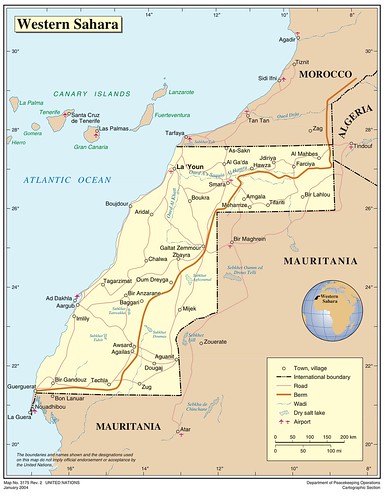
If you wanted to really mess with the world’s food production, a good place to start would be Bou Craa, located in the desert miles from anywhere in the Western Sahara. They don’t grow much here, but Bou Craa is a mine containing one of the world’s largest reserves of phosphate rock. Most of us, most days, will eat some food grown on fields fertilized by phosphate rock from this mine. And there is no substitute.

The Western Sahara is an occupied territory. In 1976, when Spanish colonialists left, its neighbor Morocco invaded, and has held it ever since. Most observers believe the vast phosphate deposits were the major reason that Morocco took an interest. Whatever the truth, the Polisario Front, a rebel movement the UN recognizes as the rightful representatives of the territory, would like it back.

Not many people would call phosphate a critical issue or one with serious environmental consequences. But even leaving aside the resource politics of the Sahara, it is an absolutely vital resource for feeding the world. It is also a resource that could start running low within a couple of decades — and one we grossly misuse, pouring it across the planet and recycling virtually none of it.

The world’s food supplies are alarmingly dependent on the phosphate fertilizer that is hewn from the desert of the Western Sahara. The vast open-cast mine at Bou Craa delivers several million tons of phosphate rock every year down a 150-kilometer-long conveyor belt, the world’s longest, to the Atlantic port of El Ayoun. From there, it is distributed around the world and made into fertilizer.

Morocco’s phosphate reserves are owned by the Office Cherifien des Phosphates, a Moroccan state agency. Given the almost unlimited executive powers of the Moroccan monarch, it might reasonably be said that most of the world's known reserves of phosphate are, in effect, owned by King Mohammed VI and his Alaouite dynasty, which has reigned in Morocco since the 17th century.

If the people of Western Sahara ever resume their war to get their country back — or if the Arab Spring spreads and Morocco goes the way of Libya — then we may be adding phosphate fertilizer to the list of finite resources, such as water and land, that are constraining world food supplies sooner than we think.

Honeybees 'entomb' hives in failed attempt to protect against pesticides  

Posted by Big Gav in , ,

The Guardian reports bees are unsuccessfully attempting to stave off colony collapse by sealing off cells with excessive levels of pesticide in the pollen- Honeybees 'entomb' hives to protect against pesticides, say scientists.

Honeybees are taking emergency measures to protect their hives from pesticides, in an extraordinary example of the natural world adapting swiftly to our depredations, according to a prominent bee expert.

Scientists have found numerous examples of a new phenomenon – bees "entombing" or sealing up hive cells full of pollen to put them out of use, and protect the rest of the hive from their contents. The pollen stored in the sealed-up cells has been found to contain dramatically higher levels of pesticides and other potentially harmful chemicals than the pollen stored in neighbouring cells, which is used to feed growing young bees.

"This is a novel finding, and very striking. The implication is that the bees are sensing [pesticides] and actually sealing it off. They are recognising that something is wrong with the pollen and encapsulating it," said Jeff Pettis, an entomologist with the US Department of Agriculture. "Bees would not normally seal off pollen."

But the bees' last-ditch efforts to save themselves appear to be unsuccessful – the entombing behaviour is found in many hives that subsequently die off, according to Pettis. "The presence of entombing is the biggest single predictor of colony loss. It's a defence mechanism that has failed." These colonies were likely to already be in trouble, and their death could be attributed to a mix of factors in addition to pesticides, he added.

Bees are also sealing off pollen that contains substances used by beekeepers to control pests such as the varroa mite, another factor in the widespread decline of bee populations. These substances may also be harmful to bees, Pettis said. "Beekeepers - and I am one – need to look at ourselves in the mirror and ask what we are doing," he said. "Certainly [the products] have effects on bees. It's a balancing act – if you do not control the parasite, bees die. If you control the parasite, bees will live but there are side-effects. This has to be managed."

The decline of bee populations has become an increasing concern in recent years. "Colony collapse disorder", the name given to the unexplained death of bee colonies, is affecting hives around the world. Scientists say there are likely to be numerous reasons for the die-off, ranging from agricultural pesticides to bee pests and diseases, pollution, and intensive farming, which reduces bee habitat and replaces multiple food sources with single, less nutritious, sources. Globalisation may also be a factor, as it spreads bee diseases around the world, and some measures taken to halt the deaths – such as massing bees in huge super-hives – can actually contribute to the problem, according to a recent study by the United Nations.

The loss of pollinators could have severe effects on agriculture, scientists have warned.

Brooklyn Grange: World’s Largest Rooftop Farm Kicks Off Second Growing Season  

Posted by Big Gav in , , ,

Inhabitat has a post on a rooftop farm in New York - Brooklyn Grange: World’s Largest Rooftop Farm Kicks Off Second Growing Season.

The second growing season is in full swing for the rooftop urban farmers at Brooklyn Grange. Located atop a six-story 1919 warehouse, the 40,000 square foot organic rooftop farm built by Bromley Caldari Architects is believe to be the largest of its kind in the world! The almost 1-acre farm is an oasis surrounded by little greenery and lots of concrete in Queens at 37-18 Northern Boulevard. After a successful first growing and selling season that began last spring, the farmers at Brooklyn Grange are continuing their production of organic produce that includes 40 varietals of juicy tomatoes, peppers, fennel, salad greens, kale, swiss chard, beans of all sorts and a variety of delicious root vegetables like beets, carrots, and radishes, as well as plenty of herbs. ...

Brooklyn Grange‘s organic produce is grown in 7.5” deep beds with Rooflite soil. Produced by Pennsylvania soil company Skyland, Rooflite is a lightweight soil composed of organic matter compost and small porous stones which break down to add trace minerals that are needed for the produce to grow into a healthy and mature state. The use of organic soil means that everything produced by Brooklyn Grange is sustainable and good for you. The farm had a nine-month growing season last year, and during the winter, they used cover-crops such as rye, buckwheat, vetch, and clove, resulting in a year-round production of organic goodness right in the heart of NYC.

What have they got to hide ? Making Factory Farm Photography Illegal  

Posted by Big Gav in ,

America has led the way in restricting personal freedom over the past decade, with the latest unpleasant trend being the criminalising of photography. TreeHugger reports - Et Tu Minnesota? Another Law Proposes Making Factory Farm Photography Illegal.

Here's a rather scary story. While detractors of my article on goat meat as a more sustainable source of animal protein may not believe it, I am a deep believer in the need to reform our farming systems and to avoid unnecessary cruelty and abuse of farm animals. From hidden webcams in factory farm chicken cages to shocking photos of some organic egg farms, undercover photography and video by activists play a crucial role in helping us all—vegans, vegetarians and meat eaters alike—understand what conditions are really like on the farms that produce our food. But now a new bill in Minnesota is seeking to label any such recordings as "eco-terrorism".

Following on the footsteps of a Florida politician who wants to outlaw photographing farms, and an Iowa bill that threatens 10 years in jail for exposing animal cruelty, Minnesota seems to be the next to move against rogue photographers.

Ants, Spiders and Cockroaches: Saving the World...One Mouthful at a Time  

Posted by Big Gav in , ,

Der Spiegel has an article on the revival of interest in eating insects - Ants, Spiders and Cockroaches - Saving the World...One Mouthful at a Time.

Oxford has a history of hosting odd meals featuring exotic dishes. Around 150 years ago, the well-known zoologist Francis Trevelyan Buckland caused a stir with his culinary flights of fancy. For example, he determined that earwigs taste "horribly bitter" and nearly as bad as moles and bluebottle flies.

This was an era that saw a great deal of fear over the so-called "population trap" outlined by Thomas Robert Malthus. The British economist predicted that agriculture would not be able to keep pace with population growth, leading to famine and human suffering. In 1860, Buckland founded the Acclimatization Society, which aimed to introduce organisms like silkworms, beavers and parrots into the British diet.

Though few followed Buckland's example, the idea survived. "Wood louse sauce is equal, if not superior, to shrimp," British entomologist Vincent Holt wrote in his 1885 book "Why Not Eat Insects?" He also wrote of the joy of "a fat month nicely baked," urging his readers: "Try them, ye epicures! What possible argument can there be against eating a creature beautiful without and sweet within; a creature nourished on nectar, the fabled food of the gods?"

Though Holt was no more successful than Buckland in turning Europeans into insect-eaters, this aversion is only widespread in the West. In fact, there's only one thing more uncommon than eating insects: not eating them. Two-thirds of all 1.5 million known animal species are insects. And for 2.5 billion people, especially those in tropical regions, insects have always been a standard element in the local diet.

In parts of the Central African Republic, insects satisfy one-third of the population's protein requirements during the rainy season. Dried caterpillars sell for $14 (€10) a kilogram. And high-end restaurants in Mexico City offer a pricy delicacy called escamoles, a sort of insect caviar made of ant larvae.

People in Thailand use sticks with adhesive on them to hunt dragonflies. In Nepal, they strain bee larvae through a cloth before frying the resulting gooey mass like an egg. And, in Africa, termite mounds are a carefully guarded resource because they have a higher protein content than chicken and their queens can grow to the size of a potato.

Butterflies are also popular fare. During the rainy season in southern Africa -- which is harvest time for the large, bristly caterpillars of the saturniid moth known as mopane worms -- beef prices collapse. In the early 1980s, 1,600 metric tons of mopane were sold in the region each year. And, in Italy, insects are also found in a delicacy called casu marzu, a cheese filled with live larvae. ...

Vollrath studied in the southwestern German city of Freiburg and now works as a zoologist at Oxford. He snacked on locusts for the first time during an expedition in Panama, where he plucked them directly off charred shrubs after they had been naturally grilled in a brush fire. "Insects are approximately 10 times more eco-friendly than beef," he says. Harvesting them doesn't require deforestation, he explains, but actually helps preserves forests. "Insects offer us an opportunity to rethink and move away from pork and beef," he says.

Indeed, experts believe putting more bugs on our plates could help solve some of humanity's worst problems. The global population increases by 6 million every month, food prices have nearly doubled in the last two years, and meat consumption is threatening forests and drinking water.

"The protein content (of insects) is comparable to that of conventional meat," according to the United Nations' Food and Agricultural Organization (FAO). It goes on to explain that insects are rich in vitamins, minerals and unsaturated fats as well as hardly contaminated by environmental pollutants in many places. "They are often harvested in areas … where no pesticides are used," one FAO report states.

Grain$ of truth  

Posted by Big Gav in , , ,

Prompted by a post at Early Warning, SP at TOD ANZ has a look at the impact of US ethanol policy on global food prices - Grain$ of truth.

Early Warning had a post recently decrying the proposed emergency policy of the Spanish Govt. to increase the biofuel content in their petrol. One follow up post then used US data for ethanol production to extrapolate the impact of US production to global food prices. Thus linking the unrest in North Africa and around the gulf states with the increased cost of food due to biofuels (as indicated by corn ethanol). But root causes of the increased cost of food are more complex than that.

Stuarts prime beef seems to be with the corn to ethanol conversion: many authors have argued that the conversion efficiency is poor - but it is probably the final act of a greater tragedy. Outside of the Americas, is corn a primary human staple? Even within the US its prime function seems to be as energy source for feed lot produced beef and a major ingredient in the US staple of fast foods (including supermarket ready meals).

While I agree that biofuels may be problematic, lumping all cereal crops together and then assuming that because 40% of US CORN production is going to ethanol that that is the cause of the rise in food prices seems to overly and dramatically simplify the issue.

Various international agencies have pointed out that the rise in GLOBAL food prices is a complex issue, with different causes in different regions. ...

From this we should remember that generally “commodities such as corn or wheat are a small part of the final retail price of most food products”. Not also the effect attributed to the currency situation in the US – the effect of the deflating dollar. ...

So, its complicated, but it’s not all down to biofuels.

Other sources about the more recent price rises also note that speculation has been a significant factor in the increases.

- Speculation behind global commodity price rise (different version at Speculation behind global commodity price rise)
- Food Price Spiral: Causes and Consequences
- High food prices: Cause and Result

Finally, I just want to point out that many of the countries in the Arab World experiencing turmoil (partially) as a result of these increased prices have one other thing in common. They all have currencies that are either:

1. directly pegged (or nearly so) to the US dollar,
2. are neighbors or close trading partners with countries with fixed dollar exchanges, or
3. have currencies that are not traded.

The following have (had?) a direct peg; Eritrea, Lebanon, Qatar, UAE, Suadi Arabia, Jordan, Bahrain. Egypt had periodic revaluations along with Oman, Kuwait and Tunisia had rigid currency controls. That a large number of countries in the region have a pegged or fixed exchange rate to the $US and the major commodity of the region is traded in $US means that other commodities will be more expensive to import in these countries.

So, if you need to buy grain valued in falling US dollars and your currency is pegged to (or otherwise controlled by) that currency, or your own currency is also falling OR you can’t easily convert your currency to buy US dollars AND speculators are playing the market… What then for local food prices?

On the other hand, if your currency was not affected in this way, and appreciated against the $US, then food from the US would have become cheaper.

Which could explain the US sourced apples and oranges in the supermarkets of the provincial Indonesian city in which I currently reside!

However the cost of rice has increased, not becuase of corn feed cows or biofuels, but for the simple reason that the heavy rain (and flooding) in Indonesia has cut production.

Statistics

Locations of visitors to this page

blogspot visitor
Stat Counter

Total Pageviews

Ads

Books

Followers

Blog Archive

Labels

australia (619) global warming (423) solar power (397) peak oil (355) renewable energy (302) electric vehicles (250) wind power (194) ocean energy (165) csp (159) solar thermal power (145) geothermal energy (144) energy storage (142) smart grids (140) oil (139) solar pv (138) tidal power (137) coal seam gas (131) nuclear power (129) china (120) lng (117) iraq (113) geothermal power (112) green buildings (110) natural gas (110) agriculture (91) oil price (80) biofuel (78) wave power (73) smart meters (72) coal (70) uk (69) electricity grid (67) energy efficiency (64) google (58) internet (50) surveillance (50) bicycle (49) big brother (49) shale gas (49) food prices (48) tesla (46) thin film solar (42) biomimicry (40) canada (40) scotland (38) ocean power (37) politics (37) shale oil (37) new zealand (35) air transport (34) algae (34) water (34) arctic ice (33) concentrating solar power (33) saudi arabia (33) queensland (32) california (31) credit crunch (31) bioplastic (30) offshore wind power (30) population (30) cogeneration (28) geoengineering (28) batteries (26) drought (26) resource wars (26) woodside (26) censorship (25) cleantech (25) bruce sterling (24) ctl (23) limits to growth (23) carbon tax (22) economics (22) exxon (22) lithium (22) buckminster fuller (21) distributed manufacturing (21) iraq oil law (21) coal to liquids (20) indonesia (20) origin energy (20) brightsource (19) rail transport (19) ultracapacitor (19) santos (18) ausra (17) collapse (17) electric bikes (17) michael klare (17) atlantis (16) cellulosic ethanol (16) iceland (16) lithium ion batteries (16) mapping (16) ucg (16) bees (15) concentrating solar thermal power (15) ethanol (15) geodynamics (15) psychology (15) al gore (14) brazil (14) bucky fuller (14) carbon emissions (14) fertiliser (14) matthew simmons (14) ambient energy (13) biodiesel (13) investment (13) kenya (13) public transport (13) big oil (12) biochar (12) chile (12) cities (12) desertec (12) internet of things (12) otec (12) texas (12) victoria (12) antarctica (11) cradle to cradle (11) energy policy (11) hybrid car (11) terra preta (11) tinfoil (11) toyota (11) amory lovins (10) fabber (10) gazprom (10) goldman sachs (10) gtl (10) severn estuary (10) volt (10) afghanistan (9) alaska (9) biomass (9) carbon trading (9) distributed generation (9) esolar (9) four day week (9) fuel cells (9) jeremy leggett (9) methane hydrates (9) pge (9) sweden (9) arrow energy (8) bolivia (8) eroei (8) fish (8) floating offshore wind power (8) guerilla gardening (8) linc energy (8) methane (8) nanosolar (8) natural gas pipelines (8) pentland firth (8) saul griffith (8) stirling engine (8) us elections (8) western australia (8) airborne wind turbines (7) bloom energy (7) boeing (7) chp (7) climategate (7) copenhagen (7) scenario planning (7) vinod khosla (7) apocaphilia (6) ceramic fuel cells (6) cigs (6) futurism (6) jatropha (6) nigeria (6) ocean acidification (6) relocalisation (6) somalia (6) t boone pickens (6) local currencies (5) space based solar power (5) varanus island (5) garbage (4) global energy grid (4) kevin kelly (4) low temperature geothermal power (4) oled (4) tim flannery (4) v2g (4) club of rome (3) norman borlaug (2) peak oil portfolio (1)